
Clinical Trials Day recognizes the people who make clinical research possible.
In CNS drug development, that work is especially demanding. Studies often involve fluctuating symptoms, subjective endpoints, placebo response, and patient variability that can affect how results are interpreted. Progress depends on people willing to show up for the science, the patients, and the possibility of what comes next.
Sponsors advancing new treatments. Investigative sites supporting participants through complex protocols. Clinicians, raters, researchers, and operational teams protecting the quality of each study. Participants and families contributing to research that may shape future care.
As the people behind CNS research continue rising to meet new challenges, the advancements reshaping CNS development rise alongside them.
What’s Shaping CNS Development Today
Rising Science
A growing understanding of disease biology and neurocircuitry is influencing how CNS programs are designed and evaluated. Sponsors are exploring more targeted mechanisms of action, refining endpoint strategies, and placing greater emphasis on outcomes that reflect meaningful patient functioning.
Study design discussions are increasingly centered around fit-for-purpose endpoints, signal detection, participant selection, and reducing unnecessary variability.
Rising Technology
Hybrid and decentralized approaches, digital cognitive tools, wearable technologies, and electronic outcome assessments are expanding opportunities to capture CNS data in new ways.
These approaches also introduce important considerations around consistency, validation, participant burden, and interpretability. Successful implementation depends on balancing innovation with scientific and operational discipline.
Rising Collaboration
CNS development depends on strong collaboration across sponsors, CROs, investigative sites, raters, vendors, and participants. Alignment across those groups can directly influence enrollment momentum, endpoint quality, operational consistency, and overall study execution.
As protocols become more complex and timelines more competitive, effective collaboration becomes increasingly important to maintaining consistency and protecting data quality throughout the life of a study.
Rising in Research Together
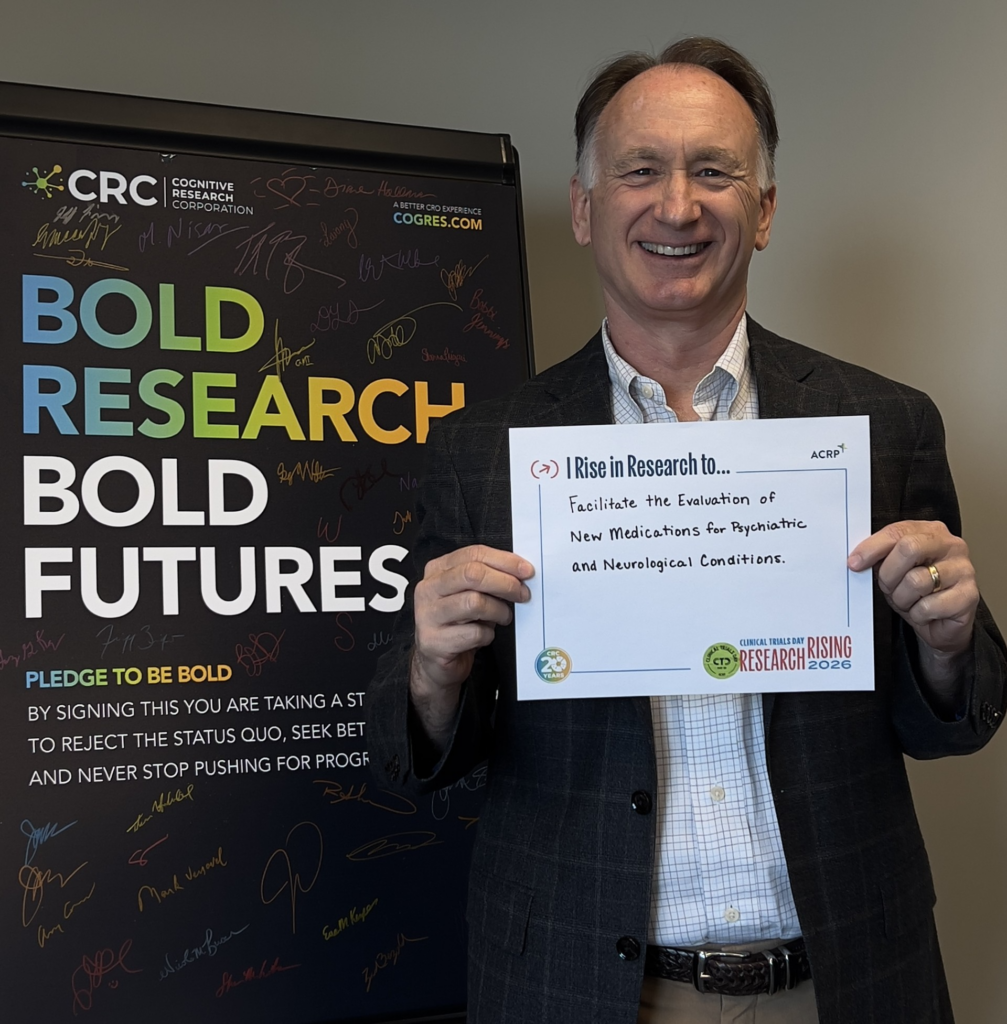
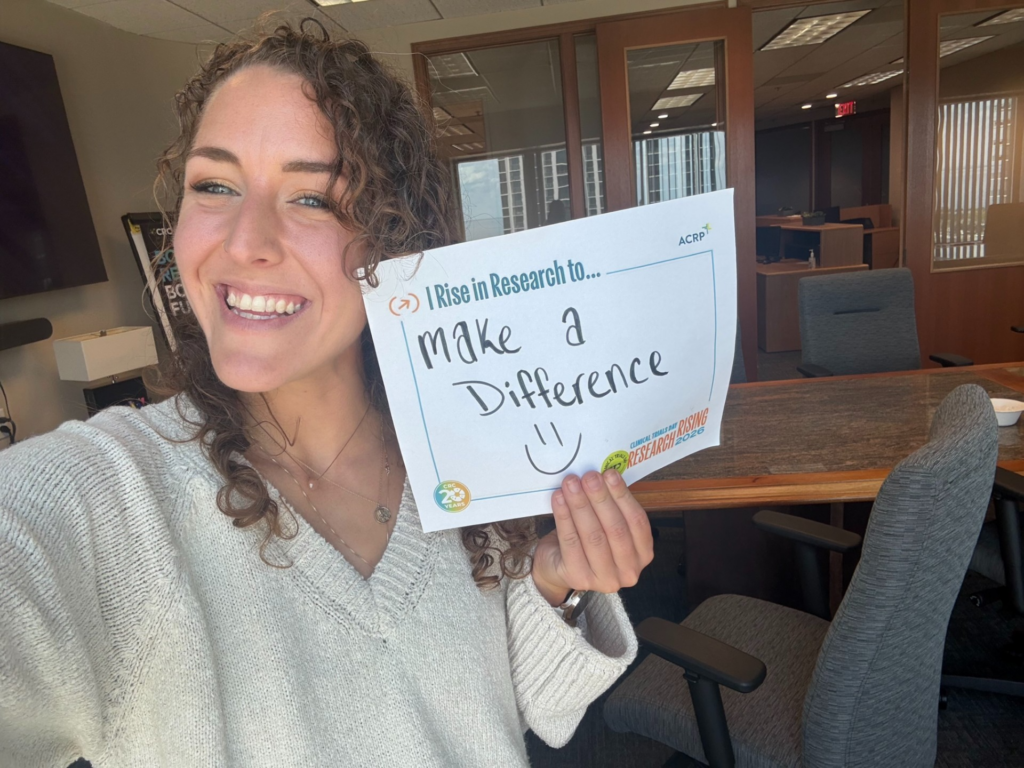
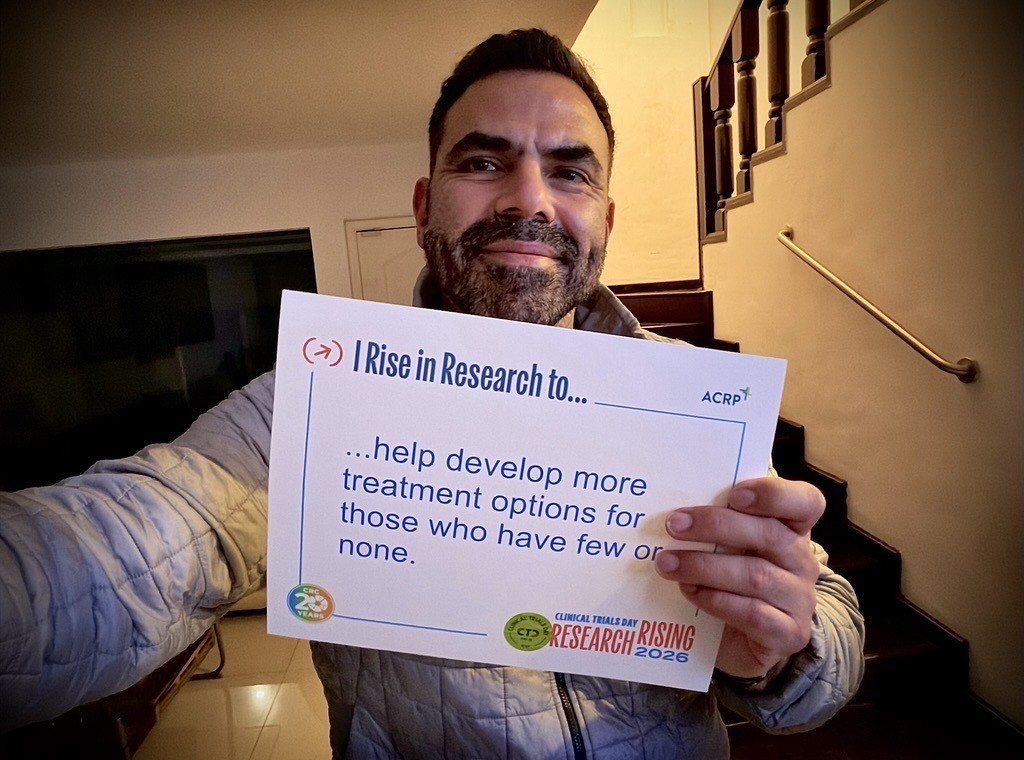
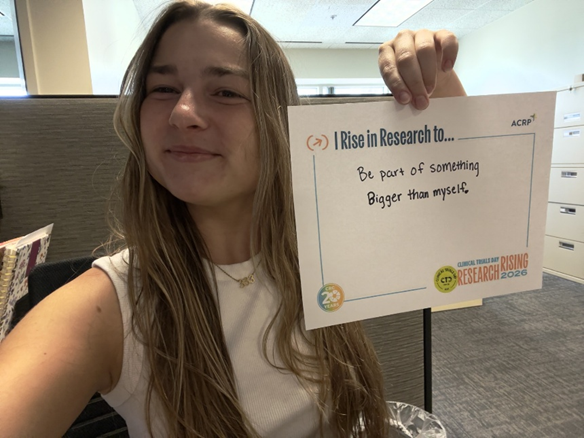
Across the clinical research community, people continue rising to move research forward. This year, CRC team members reflected on what it means to “Rise in Research” through a series of personal statements shared in recognition of Clinical Trials Day.

A 20 Year Commitment
The reflections shared by CRC team members speak to a mindset that has shaped CRC’s approach to CNS clinical research for the past 20 years: continuing to rise to the challenge and push for higher standards.
Over two decades, neuroscience research has continued evolving in ways that demand more from the people supporting it. New scientific possibilities. New technologies. New operational realities. Through it all, the work continues because people across the research community remain committed to moving it forward.
Twenty years in, CRC remains proud to be part of the research community helping shape what comes next for CNS care.